

Nestled in along the Irrawady river, south of Mandalay, there is a town named Bagan. It is the withering vestige of a once great place. Its streets are rough and dusty, and it appears like an arid African landscape. The only life that can be seen are the pudgy tourists and the green trees that have found water deep below the surface. Dilapidated buildings line the crooked streets. It is the 21st century equivalent of the quintessential American Wild West town; John Wayne would have surely preferred a Honda Cub to a horse, given the opportunity. What lays just on the outskirts of town is something magnificent.


Thousands of pagodas and temples stand above the canopy of trees and stretch as far as the eye can see. This place is called the Bagan Plains and it is truly remarkable. The Burmese government has made it illegal for tourists to rent gas powered motorbikes. As a result, Ebike rentals have surged. Their maximum speed in 55 KPH and they’re completely silent. This adds to the experience of darting between the ancient structures on small dirt paths. It can be exhilarating and nerve-wracking as a trail can quickly turn to fine sand in a moment, leaving the EBike’s front tire hopelessly drifting. The freedom to get lost in a maze of incredible ancient temples with no other humans in sight is truly special. The experience will leave you in awe, though covered with dust and scratched from one of the countless thorn bushes. With the awe comes a nagging question: How did all of this get here? You’ll feel as though you are driving through history, and it turns you couldn’t be more right.


The ruins in this region are from the Pagan Kingdom which makes up a large portion of modern day Myanmar. Starting in roughly 800 AD, the kingdom began steadily growing. In the 11th century, the kingdom experienced its greatest success and tremendous growth. It flourished in the areas of philosophy, mathematics, science, ethics, law, and art with students traveling from all over the region to ancient Pagan. During the 250 years of prosperity, 11,000 pagodas and temples were erected in the Bagan Plains. Mother nature has beaten and crumbled the structures, with earthquakes, monsoons, and unrelenting sun. Today there are only 20% of the original structures remaining.


Every dog has its day, and every empire its night. As the Mongels swept through Asia, fear spread into the heart of the Pagan empire. The population evacuated and the promising city would never be the same. The beautiful structures that represented the kingdom sat in solitude and the city would never reclaim it’s potential. The name changed from Pagan to the current name of Bagan during later military rule.
Fast forward to 1990 and the Burmese military government began an initiative to increase tourism to Bagan. They built a golf course and started repairs on the dwindling structures. Unfortunately, their attempts to foster tourism failed and resulted in inflamed local tensions. In present day Bagan, tourism is on the rise while the beautiful structures that draw the tourists continue to decay and the local infrastructure is stressed.


The key times to visit the Bagan Plains are at sunrise and sunset. You have two choices, participate in the legal viewing areas among the throngs of other tourists, or blaze your own trail for a more authentic experience. The first night we went to the viewing platform. Squeezed in between Chinese tourists with IPads or zoom lens the size of your arm, the peacefulness of the sunset was left to be desired. 
The following day we set out on our EBike in the hopes of finding an oasis of calm. Many of the temples have gates that do not allow people to climb onto their high terraces. To find one without, is a strike of luck. You first enter the dimly lit atrium and what sits before you is a massive Buddha resting with one hand touching the ground. You search for a way to ascend the structure, and notice a tiny opening tucked away in the corner. Measuring only 4 feet in height, a small stairway leads upwards to sunlight and the promise of a view. Squeezing inwards with back bent, you thrust yourself up the stairs, with the dusty walls clinging to your love handles. You emerge triumphant, and gasp at the fresh air as you orient yourself to this new vantage point. It’s beautiful, but you can do better. You scramble up the tiers of crumbling bricks to the top of the steeple, and finally, clinging to the edge, you get that awe inspiring view of hundreds of temples dotting the landscape.


Unfortunately, the one we found was also discovered by about 30 other tourists by the time we had returned at sunset. Opting for a quieter experience we set off to a different temple we had found. Our route was not the same, and we ended up biking through fields of thorn bushes before settling on a small pagoda to watch the sun set. With ripped pants, scratched legs, and bruised egos, the pain was soon alleviated by the majestic setting sun.


Although sunset is beautiful, the sunrise cannot be missed (so says Alayna as she drags Mark out of bed at 5:45 AM). Running late (because Mark didn’t actually get out of bed until 6:05) and with the sun starting to illuminate the sky, we raced on our EBike to a potential viewpoint. Arriving in the nick of time, we clamored up a massive pagoda with a slanted, deteriorating portion presenting us with a route up. Tucked behind the distant mountains, the sun slowly creeps upwards shining its vibrant rays across the plains. It feels like it can’t get any more beautiful, but then you hear the distant roar of a rising hot air balloon. Soon the sky is dotted with many colourful hot air balloons, peacefully floating across the backdrop of a rising sun, rugged mountains and exotic pagodas.

The excitement fades as the sun fully enters the sky and now the challenging part: how to get off this crumbling structure. The decent involves the muscles of a rock climber, the flexibility of a gymnast and the dexterity of a ballerina. We’ll leave that image to your imagination.


It was a beautiful conclusion to our 3 weeks spent in Myanmar. The people have been friendly, trust-worthy and genuine. The roads and transportation can leave you frustrated; even our mighty Ebike managed to let us down. Stranded at night on the outskirts of town, we were taken in by friendly hotel staff and back on our way in no time. Although it has the normal challenges that a developing country faces, the thanaka streaked cheeks of the smiling Burmese people leave you with hope for its future.


 We tried to combat that by offering hot water bottles, kettles and more blankets for the cold nights. Large laundry bins that allow for washing of sheets and blankets (something that had never been done previously). We also bought three bicycles so volunteers could get to town without having to walk 45 minutes each way.
 It worked exceedingly well and all those micro decisions that would bog down a single buyer were delegated to volunteers that knew what the monastery needed. The rules were simple: get the best price possible and return any unspent money. We had local prices written beside the list of items; this helped reduce “tourist” prices. What ensued was loads of fun with different teams using different techniques. Some would pile a mountain of goods at the shop keeper’s desk and threaten to walk if the price wasn’t reduced (you know, buying in bulk) while others meticulously noted every expense and haggled on each item. In the end, a third of the money donated was spent and in a very efficient way on teaching items, cleaning supplies, hygiene products, tools and building supplies and fun and games.


 scorpion left the washroom; it’s still unknown if he exited a window or chose more permanent accommodation inside our Kuti. We named the spider Carl and he continues to live there, but at least he keeps the number of bugs down.


 need help. Children that plagued with excuses and bad attitudes. Children whose poor fortune has left them in a situation where life is hard on all fronts. For any decent Canadian this will spur you into action, helping with any and all skills you possess. It will also leave you profoundly thankful for the quality of life enjoyed at home; often we contribute such a small portion relative to the massive yield we receive – take a minute to be thankful for your forefather’s blood, sweat and tears that built a successful environment in which you can thrive.


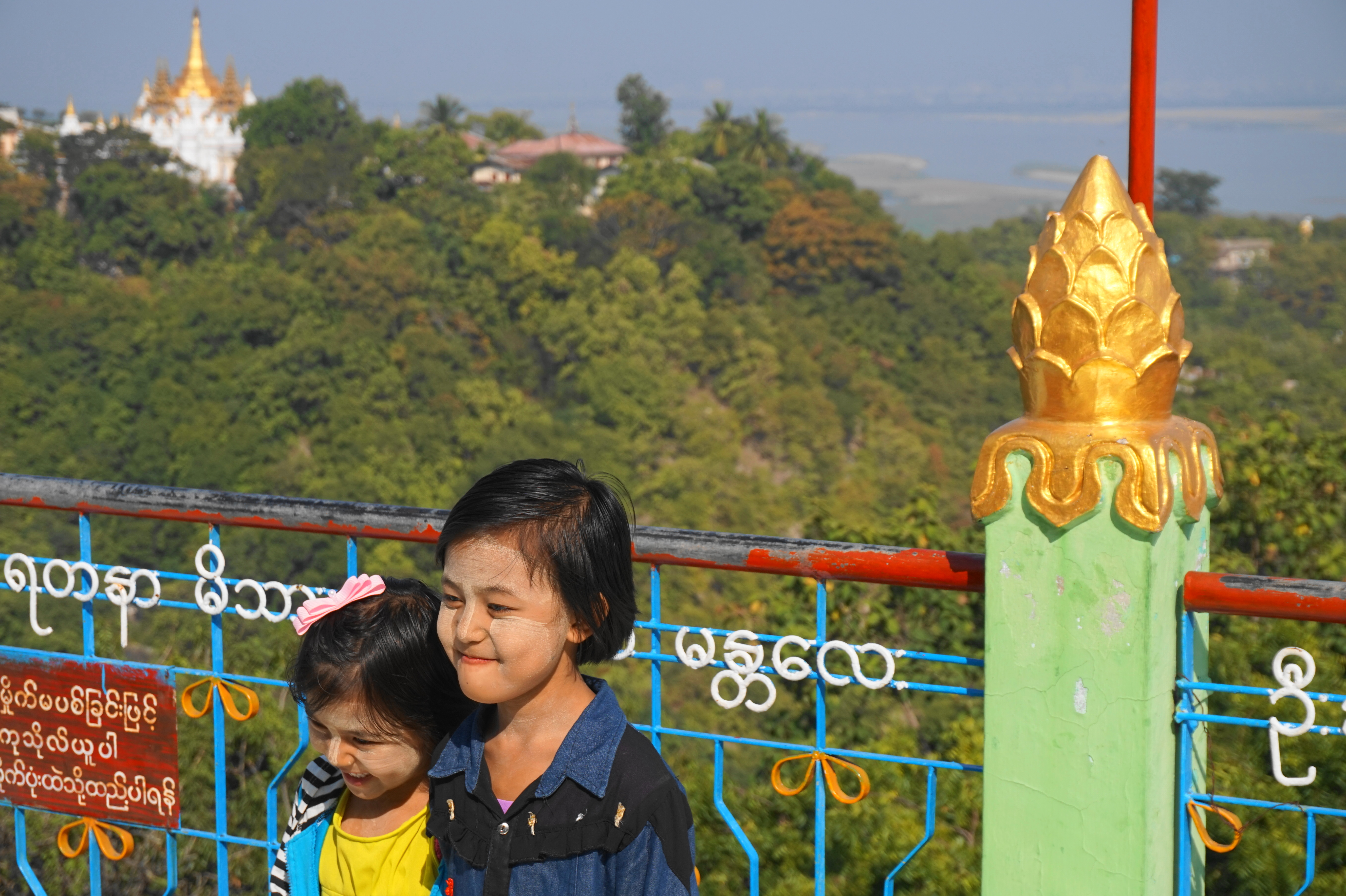 They were happy to see us as well, with many stares throughout the day and a few brave souls coming up and asking for selfies. What is not so beautiful about them is their teeth. They chew betel nut, which is somewhat similar to chewing tobacco that is mixed with some spices and rolled up in banana leaf. The issue with this is that


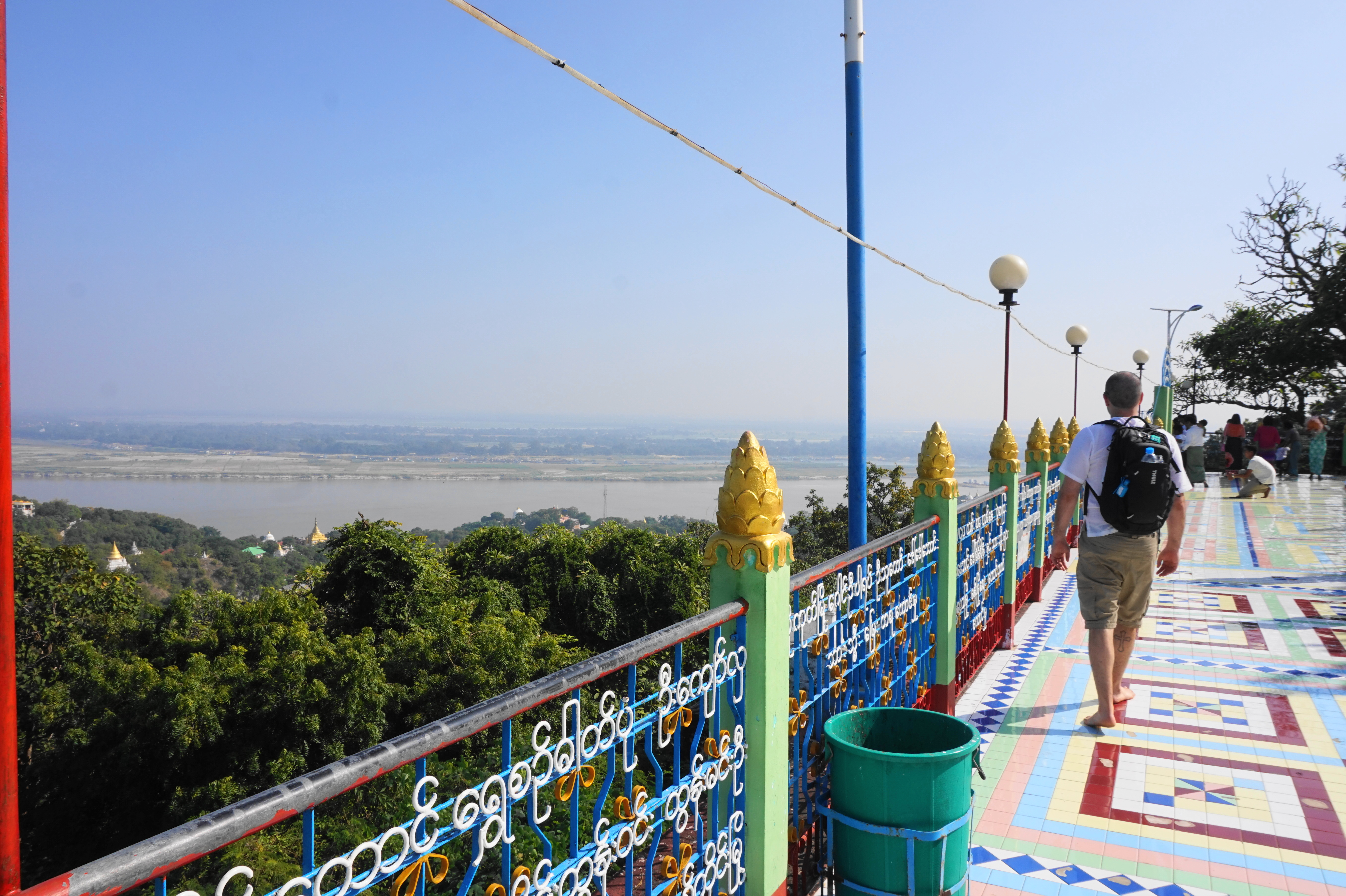


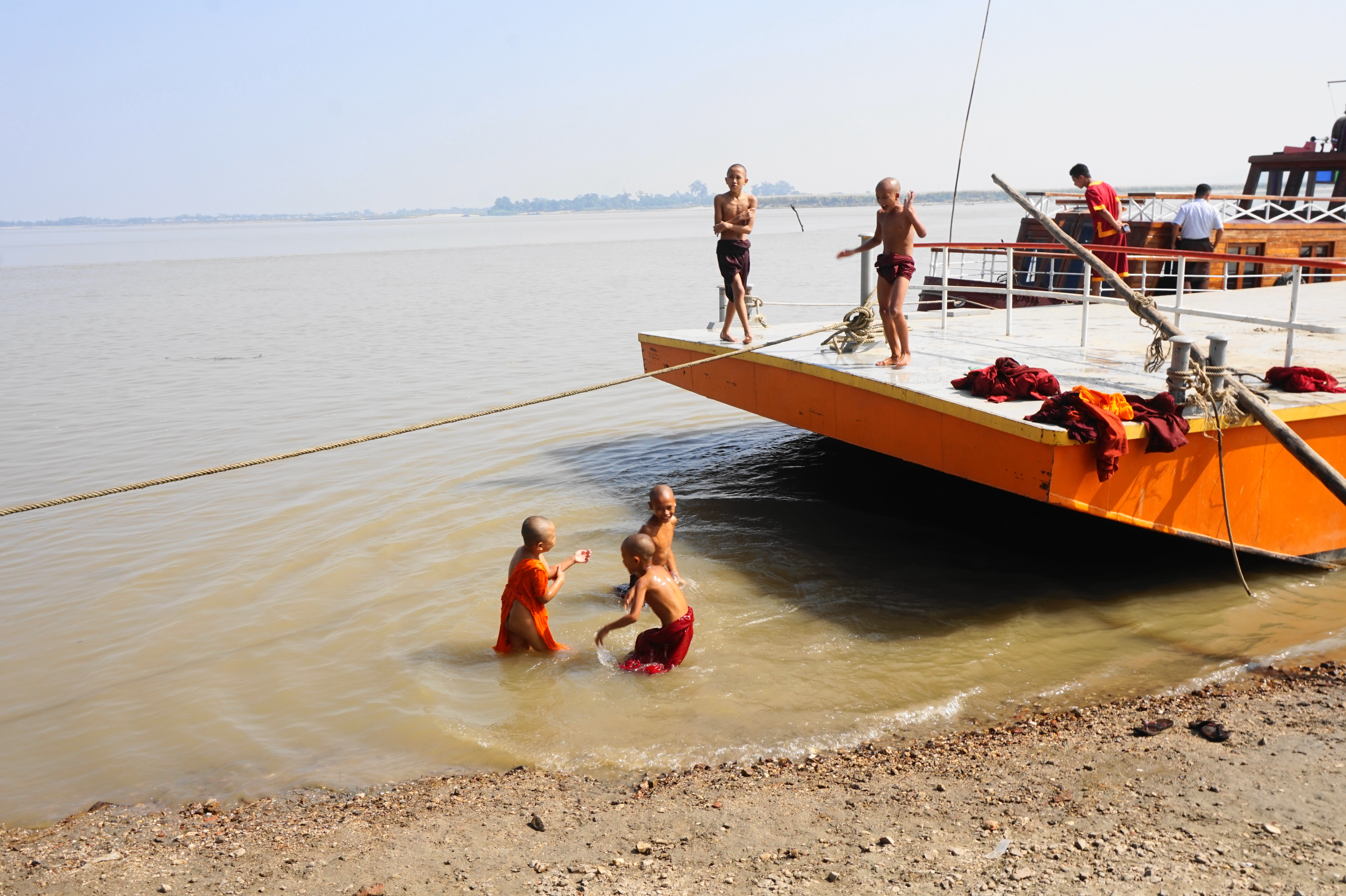 There’s a genuineness about them that’s seldom found traveling in the 21st century. Monks can be seen wandering the streets and will never waste an opportunity to practice their English. The younger generation have fully accepted advancing technology (this can pretty much be said about the monks too) and are as glued to their phones as any teenager in the West. Their embrace of the selfie is no less; we’ve been asked on multiple occasions to be in photos or just pose. One night we stumbled upon a bar called “Las Vegas” which was packed with locals almost all of whom
  were men. Never shying away from an experience we gestured the hostess for two seats. Entering the establishment was an experience by itself. Dim lighting, walls of a lime green colour with years of grime build up, dusty fans suspended from the ceiling, and foldable furniture holding piles of empty beer glasses. Alayna loves the places I take her to. Within moments of sitting we were asked to take a selfie with a patron. We obliged and then enjoyed the rest of our beers with a side of sneaky stares. One thing we will never get used to is the way they call a waiter: puckering your lips and making a smooching sound similar to calling an animal.


 chairs. You cannot walk 10 feet without a different aroma wafting towards your nose and your mouth starting to salivate in anticipation.


 of their good sweets are in coffee at breakfast. The typical dessert involves coconut milk, tapioca, beans, and/or sweet potatoes. Doesn’t sound that appealing, does it? Chè is “Vietnamese sweet soup”, available with different fillings. We got Chè Ba Mau (three coloured dessert) and the best way I can describe is like runny, cold rice pudding, minus the rice and replace it with tasteless gummy worms. Needless to say, we did not get it again.


 Those Millennials